
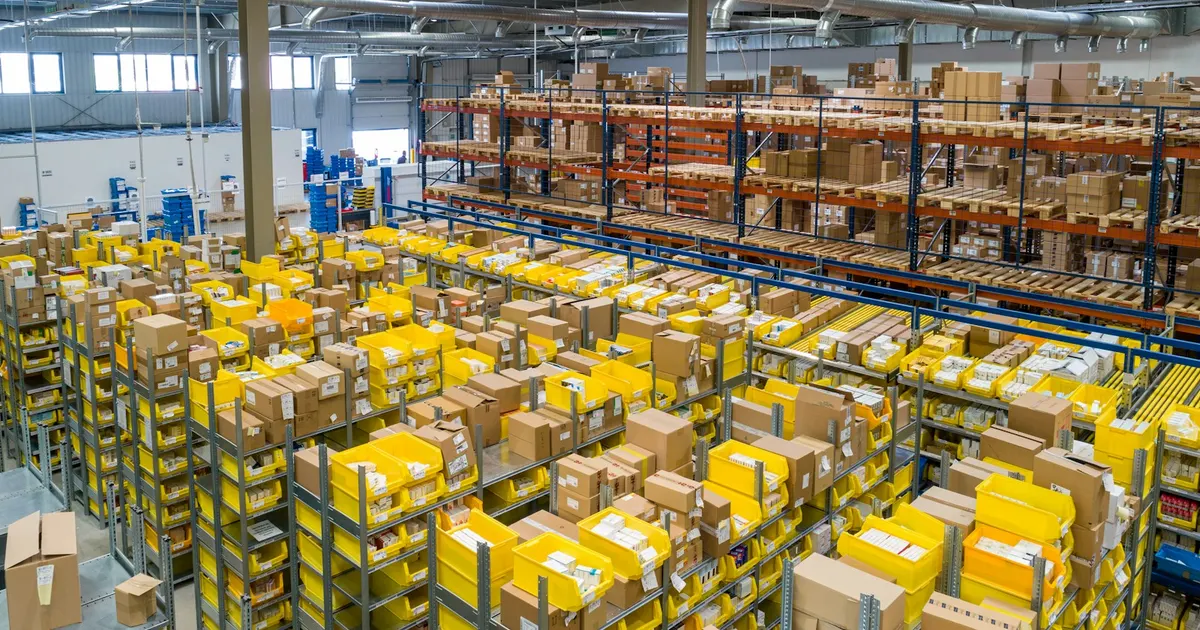
GHG Protocol's scope 3 covers all indirect emissions that occur outside a company's direct operations — in the supply chain, in product transport, in corporate travel, in product use by customers and in final disposal. For retail, food, manufacturing and financial services companies, scope 3 typically represents between 70% and 95% of total emissions. This means any climate strategy limited to scopes 1 and 2 is, in practice, ignoring the main problem.
Why do so few companies measure scope 3 adequately? First, because it's complex: there are 15 emission categories with data sources dispersed across suppliers, carriers, customers and business partners. Second, because the data depends on third parties — which requires supply chain engagement. Third, because the feeling of "I can't control what's outside my operation" discourages the effort. But control and measurement are different things: you don't need to control directly to measure, report and influence.
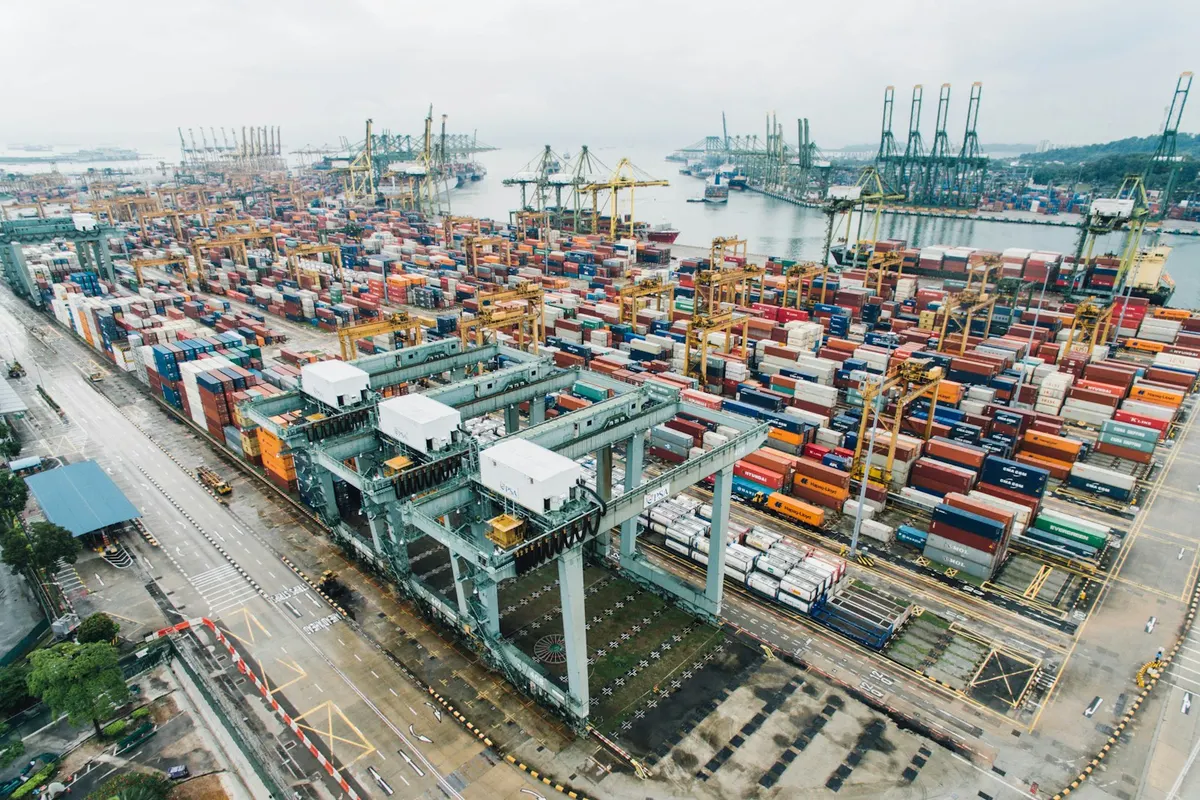
Measuring scope 3 starts with prioritization. It is not necessary — or possible — to measure all 15 categories with equal depth in the first cycle. The right approach is to identify the most relevant categories (those with the highest estimated emission volumes) and focus primary data collection efforts on them. For the rest, industry-average emission factors provide a sufficient estimate to guide decisions. Over time, as collection processes mature, precision increases progressively.
The greatest return from measuring scope 3 is not in the number itself — it's in the decisions it enables. Which supplier has intensive emissions that could be substituted? Which transport mode has the highest carbon cost per ton transported? Which product component contributes most to lifecycle emissions? These questions only have answers when scope 3 is mapped. And these are exactly the answers that separate a superficial climate strategy from one that truly moves the needle.